

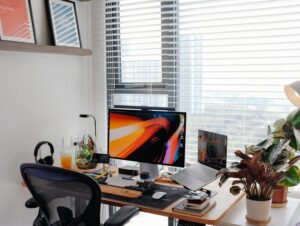
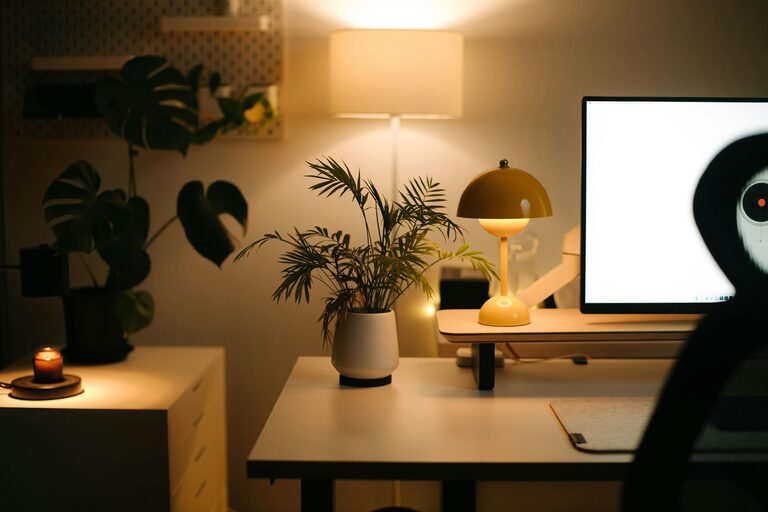
Creating a relaxing home workspace is essential for maintaining productivity and comfort while working from home. With more people spending time in their home offices or work nooks, having an environment that supports focus without sacrificing relaxation can make a significant difference in your workday. In this post, we’ll explore practical ways to design and organize a workspace that helps you stay productive and comfortable.
Why a Relaxing Workspace Matters
Your workspace influences your mood, focus, and overall work quality. A cluttered or uncomfortable environment can cause stress and reduce efficiency, while a well-designed, calming space encourages clearer thinking and less fatigue. By carefully planning your home workspace, you create a setting that supports your daily tasks and well-being.
Key Elements of a Relaxing Home Workspace
1. Choose the Right Location
Selecting the best spot for your workspace is the foundation of a comfortable setup.
– Natural Light: Aim for a location near a window to benefit from daylight, which boosts alertness and lifts your mood.
– Quiet Environment: Pick a space with minimal noise and distractions to help you concentrate.
– Privacy: If possible, choose a room or corner where you can close the door or separate your workspace from household traffic.
2. Invest in Ergonomic Furniture
Comfort is critical when you spend extended periods working.
– Ergonomic Chair: A chair that supports your lower back and encourages good posture reduces discomfort.
– Adjustable Desk: Standing desks or desks with adjustable heights promote movement and reduce strain.
– Proper Desk Size: Make sure your desk fits your computer, writing materials, and other essentials without feeling cramped.
3. Control Lighting
Lighting impacts eye strain and alertness.
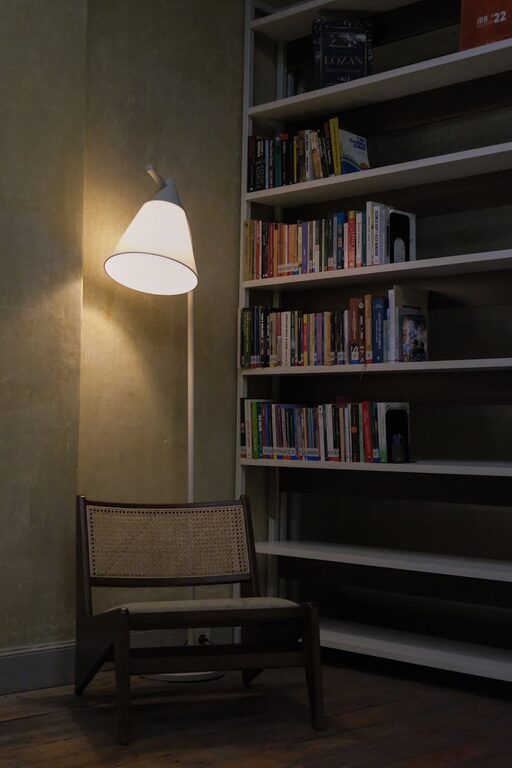
– Task Lighting: Use desk lamps with adjustable brightness to illuminate your work area clearly.
– Avoid Glare: Position screens and lights to minimize glare, which can cause headaches.
– Balanced Light: Combine natural and artificial light to maintain a consistent level throughout the day.
4. Organize and Declutter
An orderly space helps keep your mind focused.
– Storage Solutions: Use shelves, drawers, or bins to keep supplies neatly stored.
– Minimal Decorations: Personalize your area with a few items that inspire you, but avoid overcrowding.
– Cable Management: Keep cords and cables tidy using clips or organizers to prevent visual clutter.
5. Incorporate Calming Elements
Adding peaceful touches enhances relaxation and reduces stress.
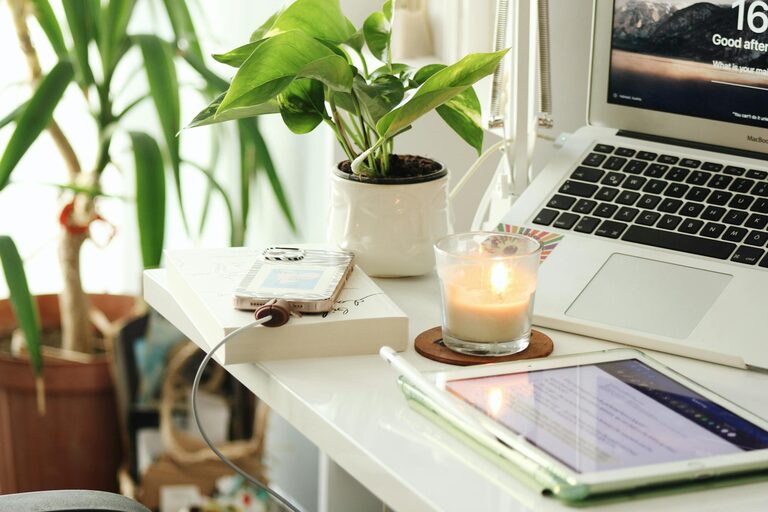
– Plants: Greenery can improve air quality and create a soothing atmosphere.
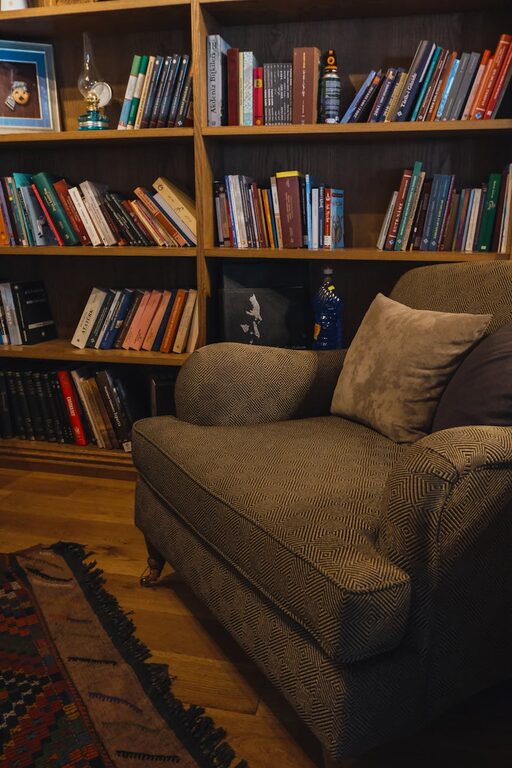
– Soft Textures: Cushions, rugs, or curtains add warmth and comfort.
– Artwork or Photos: Choose images that make you feel calm or motivated.
6. Manage Noise Levels
Sound impacts concentration and stress.
– Noise-Canceling Headphones: Use these to block out distracting sounds if you can’t control external noise.
– White Noise Machines or Apps: These provide consistent, unobtrusive background sounds that promote focus.
– Soft Music: Gentle instrumental music can enhance concentration for some people.
7. Maintain Good Air Quality and Temperature
Comfort is also about the air you breathe and how warm or cool your space is.
– Ventilation: Keep windows open when possible or use fans to circulate fresh air.
– Air Purifiers: These can help reduce allergens and pollutants.
– Comfortable Temperature: Adjust heating or cooling as needed to prevent discomfort.
Additional Tips for Boosting Productivity in Your Relaxing Workspace
– Set a Routine: Designate regular work hours to build consistency.
– Use Breaks Wisely: Stand up, stretch, or take short walks to refresh your mind.
– Limit Digital Distractions: Turn off non-essential notifications during work periods.
– Personalize Your Workflow: Use planners, apps, or timers that suit your working style.
Final Thoughts
A relaxing home workspace isn’t just about aesthetics; it’s a combination of comfort, organization, and environment that supports your productivity and well-being. By implementing these tips, you can create a space where working feels less like a chore and more like an enjoyable, focused activity. Remember, small changes to lighting, furniture, or organization often make a big impact over time.
Take the time to adjust your home workspace as your needs evolve — after all, your work environment should work for you.