

Creating a comfortable and inviting workspace at home is essential for maintaining focus and enjoying your workday. Whether you work remotely full-time, study from home, or enjoy occasional projects, a cozy workspace can make all the difference. Here are simple, practical tips to help you design a home office that’s both functional and welcoming.
Choose the Right Location
Find a Quiet Spot
Select a part of your home that offers minimal distractions. A quiet corner or a spare room works well, allowing you to concentrate on your tasks without interruption.
Prioritize Natural Light
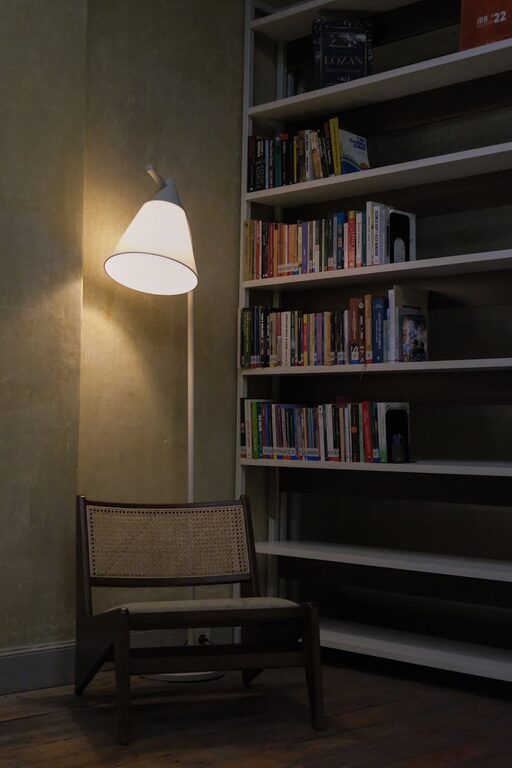
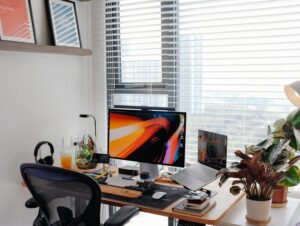
Setting up near a window provides natural light, which can boost mood and reduce eye strain. If natural light is limited, invest in good quality, warm-toned artificial lighting.
Invest in Comfortable Furniture
Ergonomic Chair
Comfort is key when sitting for long periods. An ergonomic chair supports your back and encourages good posture, reducing fatigue and discomfort.
Functional Desk
Choose a desk with enough surface area for your computer, notebooks, and other essentials. Adjustable desks or ones with storage options help keep your space organized.
Personalize with Soothing Colors and Decor
Soft, Neutral Colors
Use calming colors like soft blues, greens, or neutrals which promote relaxation and focus. Avoid overly bright or harsh shades that might distract you.
Add Personal Touches
Incorporate items that bring you joy—a favorite photo, artwork, or decorative objects that reflect your personality and make the workspace uniquely yours.
Organize Your Space
Declutter Regularly
Keep only what you need on your desk. Clutter can be overwhelming and hinder productivity.
Use Storage Solutions
Drawers, shelves, and organizers help keep papers, supplies, and gadgets tidy and accessible.
Add Greenery and Natural Elements
Houseplants
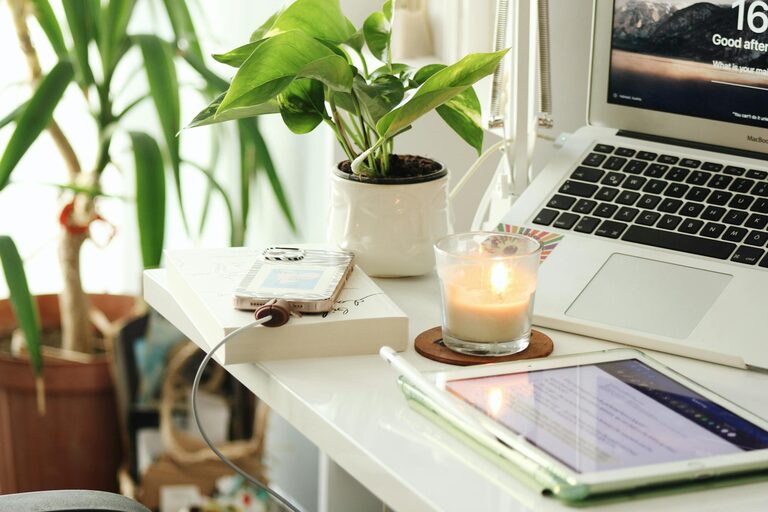
Plants improve air quality and add life to your workspace. Choose low-maintenance plants like succulents, pothos, or snake plants.
Natural Materials
Incorporate wood, stone, or woven baskets to add texture and warmth to your environment.
Manage Lighting Thoughtfully
Layered Lighting
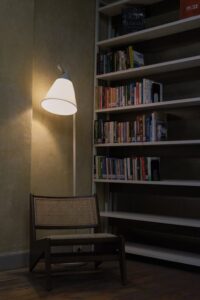
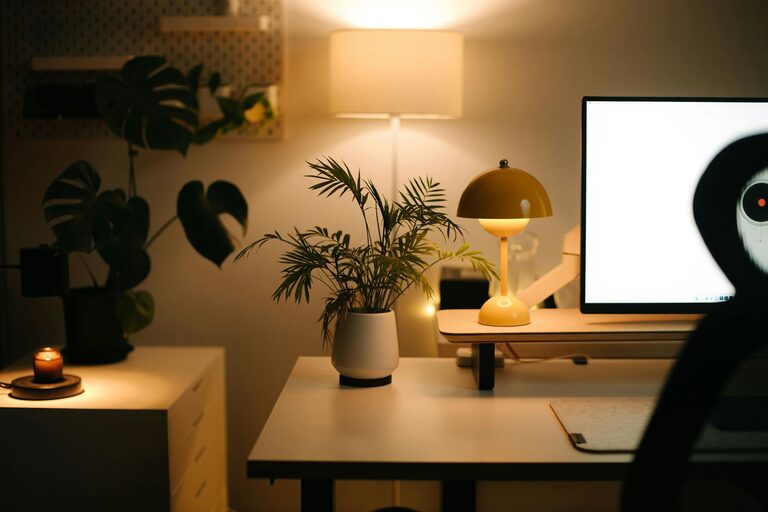
Combine ambient light with task lighting such as a desk lamp. Task lighting reduces eye strain during detailed work and adds warmth.
Adjustable Brightness
Consider lamps with dimmers or adjustable brightness levels to match the time of day and your needs.
Incorporate Comfort Accessories
Cozy Textiles
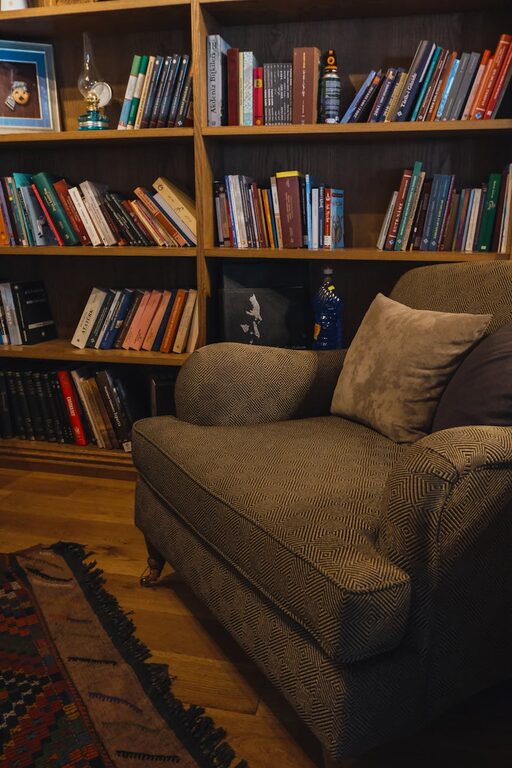
Add a soft throw blanket or an ergonomic cushion to your chair to increase comfort during long work sessions.
Temperature Control
Use a small fan, heater, or humidifier to keep the room’s temperature comfortable throughout the year.
Establish Boundaries Between Work and Relaxation
Separate Work and Rest Areas
If possible, keep your workspace distinct from your relaxation area to create a physical and mental separation between work and leisure.
Use a Room Divider
If space is limited, a simple folding screen or curtain can separate your work zone from the rest of the room.
Minimize Noise Distractions
Noise-Cancelling Headphones
Invest in headphones to block out household noise, especially in busy homes.
Soundproofing Options
Add rugs, curtains, or wall hangings to absorb sound and improve acoustics.
Maintain Healthy Habits
Take Breaks
Design your space to encourage breaks. A nearby comfortable chair or a small spot for stretching can help you step away periodically.
Good Posture
Arrange your desk and chair height so your monitor is at eye level and wrists are straight when typing.
Final Thoughts
A cozy and inviting home workspace doesn’t have to be complicated or costly. By focusing on comfort, organization, lighting, and personal touches, you can create an environment that makes working from home a pleasure. Remember, the goal is to build a space where you feel inspired, comfortable, and productive. Start with these simple tips, and tailor your workspace to fit your unique preferences and needs.