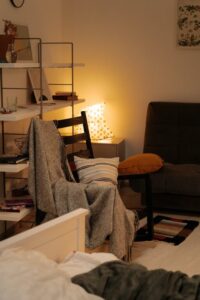
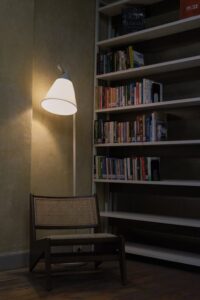


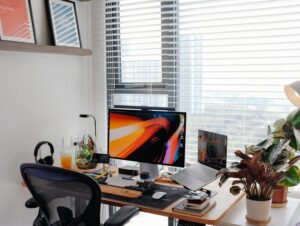
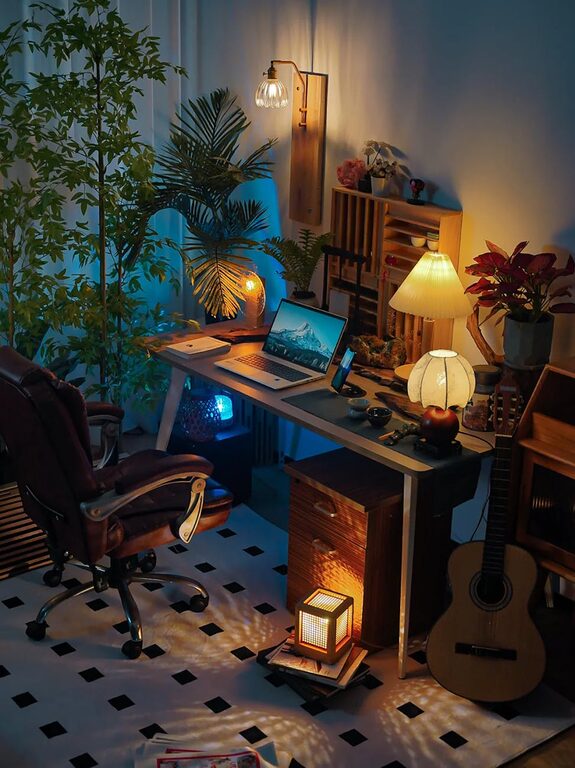
Creating a home office that balances comfort with functionality can significantly improve your productivity and overall work experience. Whether you have a dedicated room or a small corner in your living space, thoughtful design can turn any area into a cozy and efficient workspace. Here are some helpful tips to guide you through the process.
Choose the Right Location
Selecting the perfect spot for your home office is the foundation of a successful setup. Ideally, it should be:
– Quiet and low-traffic: A place with minimal distractions helps maintain focus.
– Near natural light: Sunlight boosts mood and reduces eye strain.
– Sufficient space: Enough room to fit your desk, chair, and any storage you need.
If you don’t have a separate room, consider using a corner in your bedroom or living room and use room dividers or shelves to create a sense of separation.
Invest in Comfortable Furniture
Comfort plays a big role in your ability to work effectively. Here’s what to consider when selecting furniture:
– Ergonomic chair: Choose one that supports good posture and can be adjusted to your height.
– Sturdy desk: Find a desk with enough surface area for your computer, notebooks, and other essentials.
– Flexible options: Adjustable desks that can switch between sitting and standing positions are a great way to stay comfortable throughout the day.
Comfortable furniture reduces fatigue and can help avoid physical strain over long periods.
Optimize Lighting
Proper lighting reduces eye strain and creates an inviting atmosphere. Consider these lighting tips:
– Use natural light as much as possible. Position your desk near a window but avoid glare on your screen.
– Add task lighting. A desk lamp with adjustable brightness can help when working in the evenings.
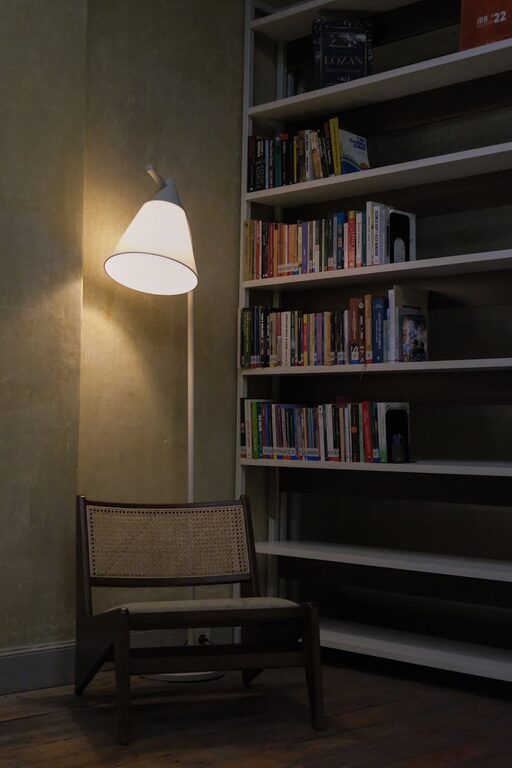
– Consider ambient lighting. Soft, warm lights help create a relaxed environment when you’re not working intensely.
Combining different light sources ensures your space is well-lit at all times.
Personalize Your Space
A personalized workspace feels more welcoming and can motivate you. Here’s how to add a personal touch without clutter:
– Incorporate colors you enjoy. Soft, muted colors can create calm, while bright accents add energy.
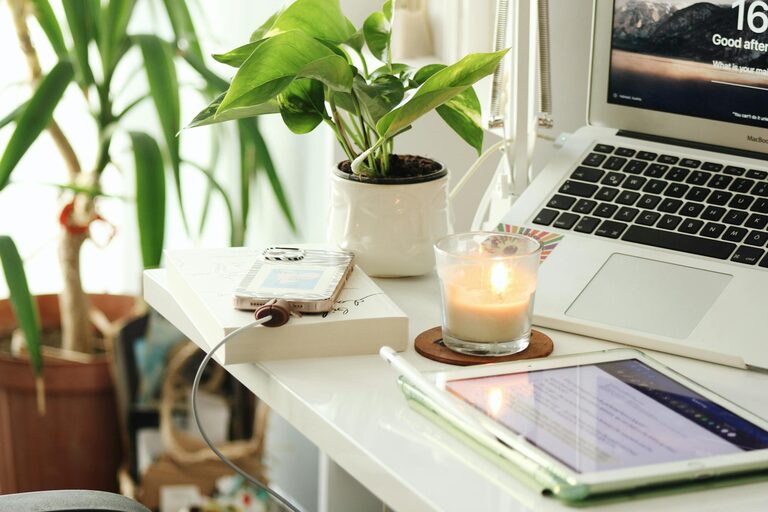
– Add plants. Greenery improves air quality and adds life to your office.
– Display meaningful items. Photos, artwork, or inspiring quotes can boost morale.
Balancing personalization with simplicity can help keep the area inviting yet distraction-free.
Stay Organized
Keeping your home office tidy improves focus and efficiency. Use these organization strategies:
– Use storage solutions. Shelves, file cabinets, and drawer organizers can keep papers and supplies in order.
– Limit desktop clutter. Only keep daily essentials on your desk.
– Create a system. Label files and storage containers so everything has a place.
Regularly decluttering your workspace helps maintain a calm, productive environment.
Incorporate Technology Wisely
Having the right technology setup makes your work smoother. Consider the following:
– Reliable internet connection. A steady, fast connection is essential for virtual meetings and online tasks.
– Cable management. Use clips or sleeves to keep cords neat and prevent tangles.
– Peripheral devices. Invest in a quality keyboard, mouse, or headset for comfort and efficiency.
Keep technology up to date but avoid overloading the space with unnecessary devices.
Add Comfort Elements
Comfort doesn’t just come from furniture. Think about small touches that enhance your well-being:
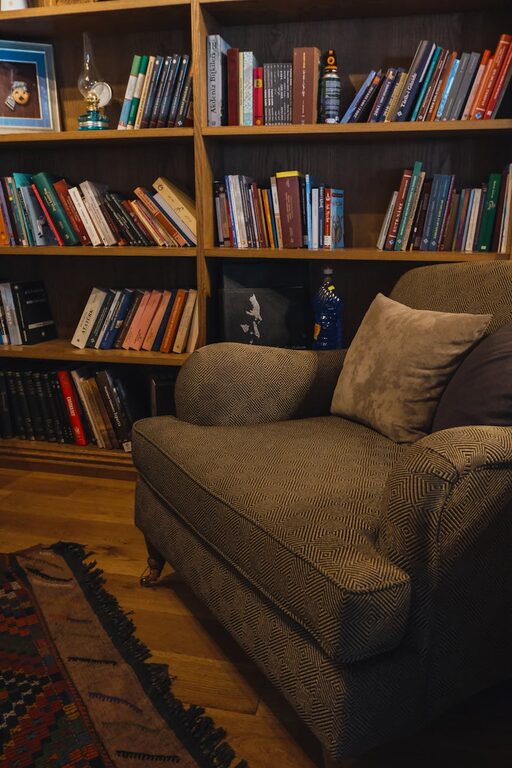
– Soft textiles. A plush rug or cozy throw blanket can make your space feel warm.
– Adjustable temperature. A small fan or heater can help maintain a comfortable climate.
– Noise control. Use noise-canceling headphones or soft background music to reduce distractions.
Comfort elements create a supportive atmosphere for longer working hours.
Plan Your Layout Thoughtfully
An efficient layout makes it easier to move and access things. Here’s how to approach it:
– Keep frequently used items within reach. Reduce unnecessary movement by placing essentials close at hand.
– Allow for movement. Ensure there’s space to stretch or walk around.
– Consider workflow. Arrange your desk, printer, and storage to suit your work habits.
A well-planned layout boosts productivity and reduces fatigue.
Final Thoughts
Designing a home office space that is both cozy and functional is all about balance. Prioritize comfort, organization, and personalization to create an environment where you feel motivated and at ease. Small changes like improving lighting, investing in ergonomic furniture, and adding personal touches can make a big difference. With these tips, your home office can become a space you look forward to using every day.